


Redox biology research: Mitoquinol (MitoQ) and mitochondrial ROS in middle-aged men
A randomised crossover trial in older adults found that Mitoquinol supplementation improved leg-extension power without affecting strength, endurance, or aerobic capacity.

Exercise ageing research: mitoquinol (MitoQ) and leg power in older adults
A randomised crossover trial in older adults found that Mitoquinol supplementation improved leg-extension power without affecting strength, endurance, or aerobic capacity. These findings suggest mitochondrial-targeted antioxidants may support specific aspects of physical function linked to mobility and ageing.
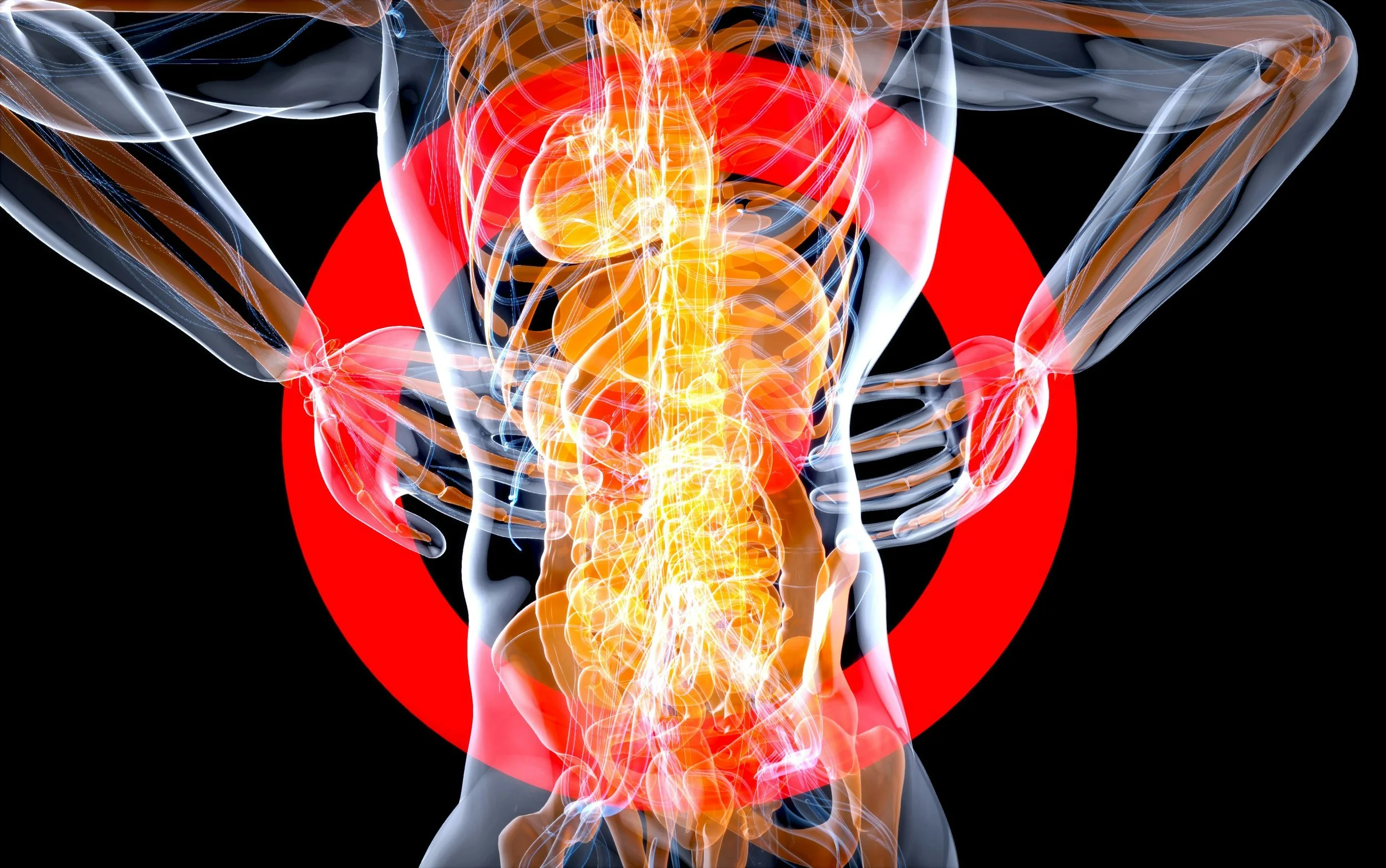
Fatigue and cognition research: Mitoquinol (MitoQ) in fibromyalgia and chronic fatigue syndromes
A controlled crossover study found that MitoQ reduced pain and improved working memory in fibromyalgia, but showed no benefit in ME/CFS beyond placebo. These findings highlight condition-specific responses to mitochondrial-targeted antioxidants and the importance of study design.
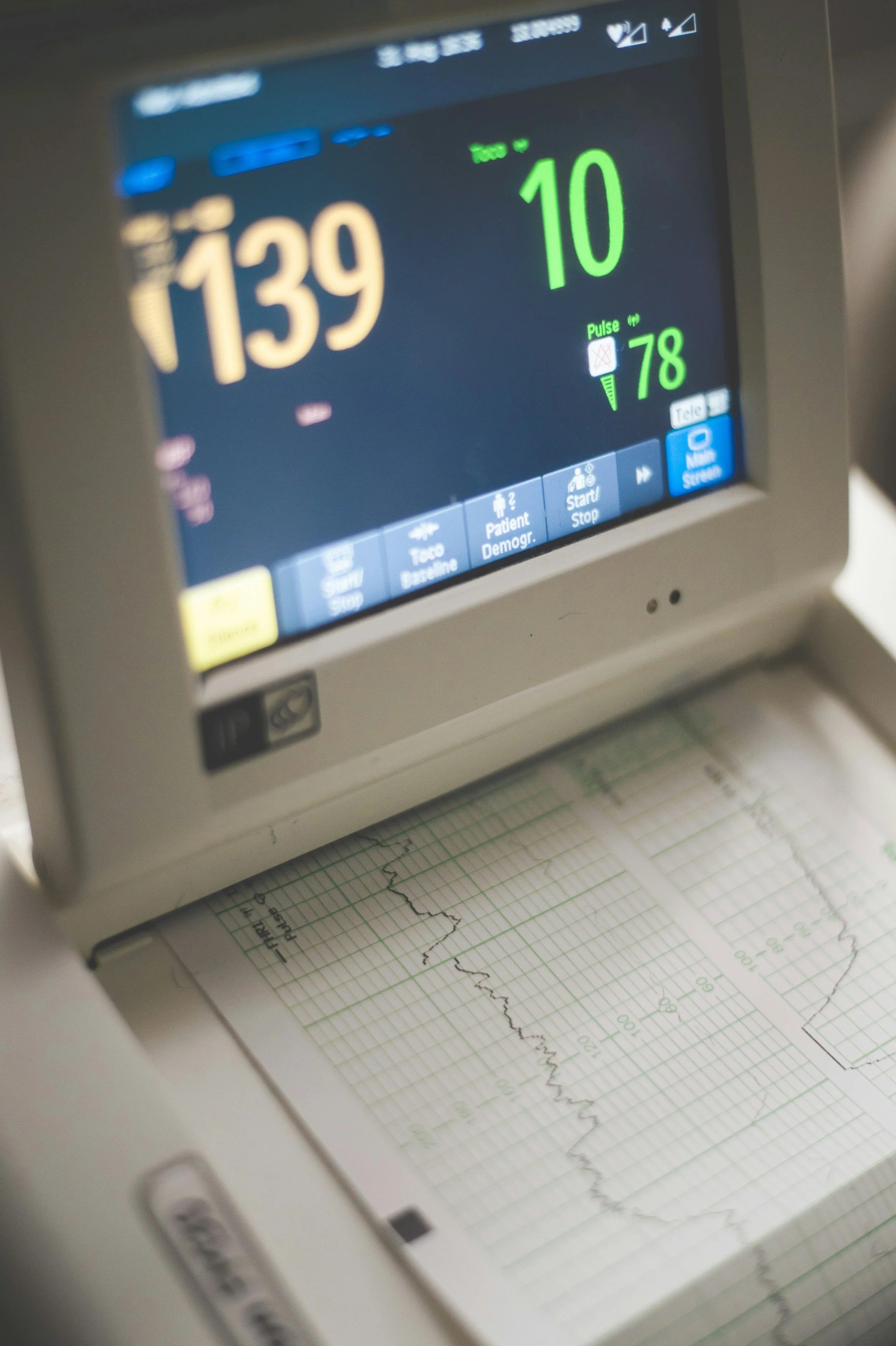
Critical Care Research: Mitoquinol and Oxidative Stress in Septic Shock
Mitoquinol improved oxidative stress biomarkers in septic shock but did not significantly change organ recovery or mortality, underscoring the complexity of translating redox modulation into clinical benefit.

Exercise Ageing Research: Mitoquinol and Redox Responses in Older Adults
A randomised controlled trial in older adults found that MitoQ reduced mitochondrial reactive oxygen species but did not restore exercise-induced redox signalling or adaptation. These findings suggest that age-related impairments in muscle adaptation may extend beyond oxidative stress alone.

Mitoquinol and Endurance Training Adaptations
A randomised controlled trial in healthy men found that MitoQ supplementation did not enhance or impair endurance training adaptations, including VO₂max and mitochondrial capacity. These findings suggest that mitochondria-targeted antioxidants do not disrupt exercise-driven adaptations in low-risk populations.
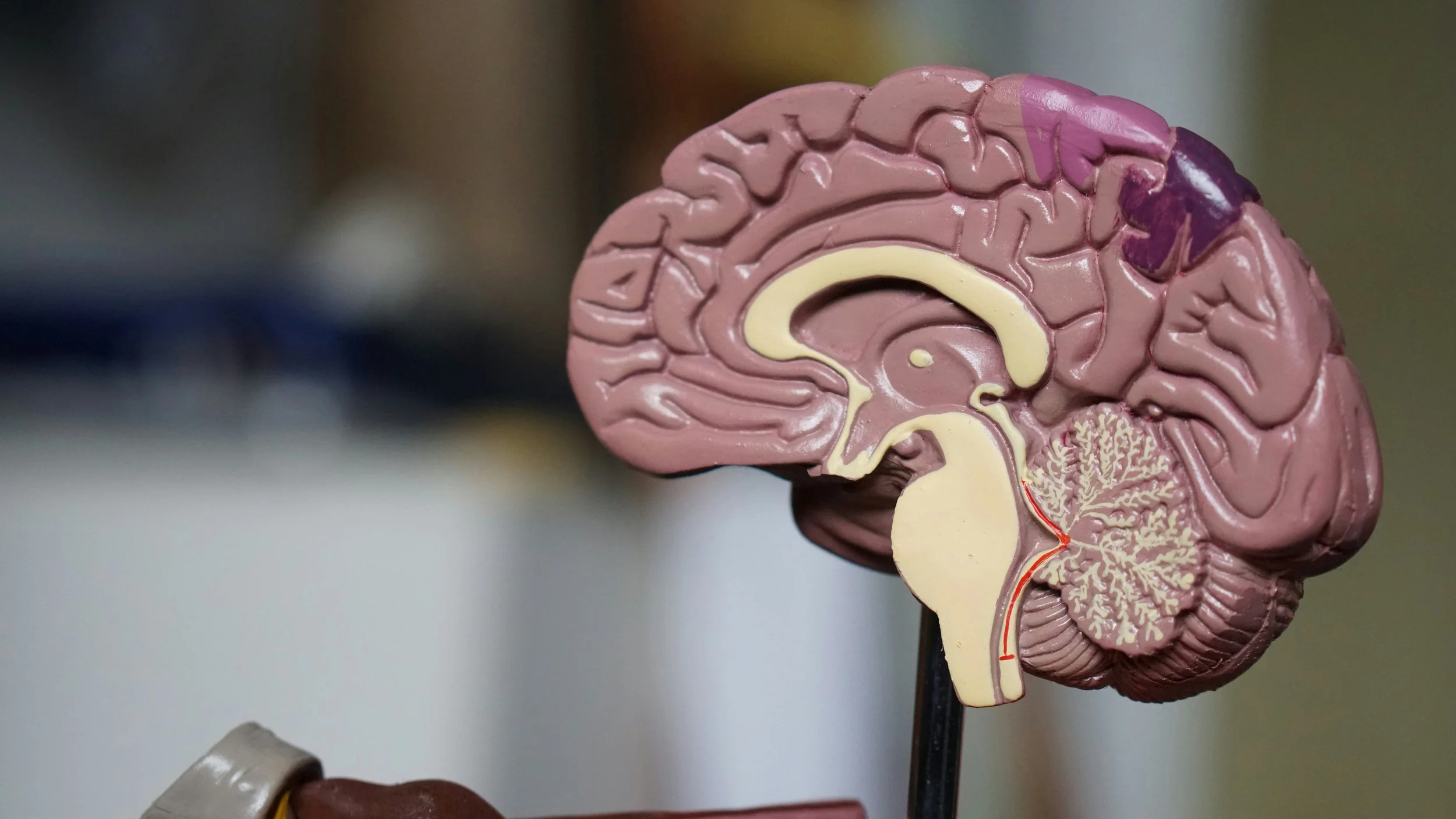
Neuroinflammation Research: Mitoquinoluinol (Mitoquinol), Exercise, and Gene Expression in Multiple Sclerosis
A randomised controlled trial in women with multiple sclerosis found that MitoQ supplementation, particularly when combined with exercise, modulated inflammatory and immune signalling pathways. These findings support a role for mitochondrial-targeted interventions in influencing neuroinflammation, although clinical benefits require longer-term investigation.
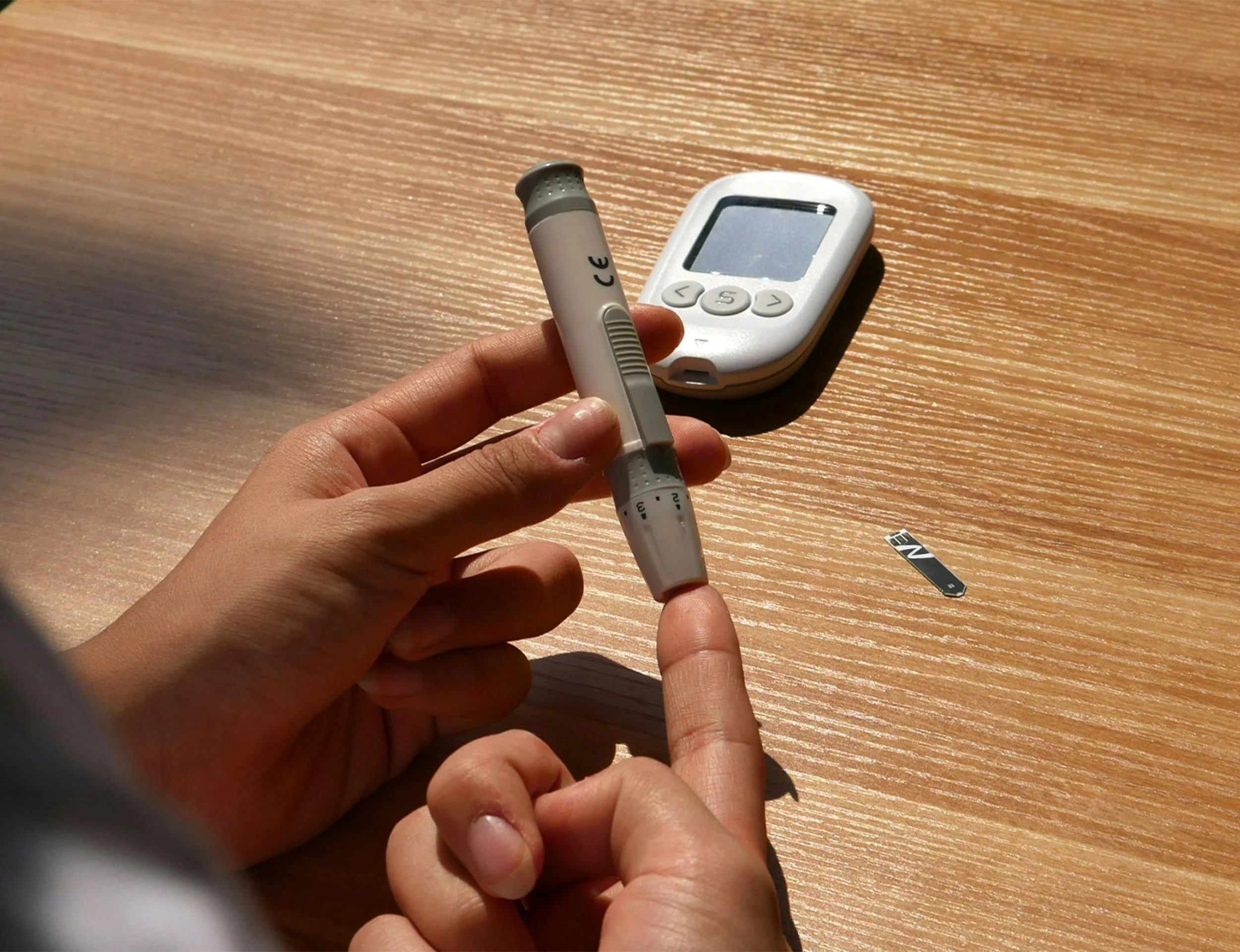
Cardiometabolic Research: Mitoquinol, Cardiac Energetics, and Diastolic Function in Type 2 Diabetes
A clinical trial in type 2 diabetes found that MitoQ improved cardiac energetics and diastolic function without altering structural heart measures. These findings highlight mitochondrial dysfunction as an early, modifiable driver of diabetic cardiomyopathy.

Exercise Adaptation Research: Mitoquinol, PGC-1α Signalling, and Peak Power
A randomised controlled trial found that MitoQ supplementation enhanced exercise-induced PGC‑1α signalling and improved peak power, without affecting VO₂peak or mitochondrial adaptation. These findings highlight a role for mitochondrial-targeted antioxidants in modulating early training responses rather than maximal aerobic performance.

Exercise Physiology Research: Mitoquinol and Oxygen Uptake Kinetics in Trained Cyclists
A controlled study in trained cyclists found that MitoQ supplementation improved oxygen uptake kinetics and reduced oxidative stress, without changing maximal performance outcomes. These findings highlight a role for mitochondrial-targeted antioxidants in enhancing exercise efficiency rather than peak capacity.

Exercise Performance Research: Mitoquinoluinol (Mitoquinol), Oxidative Stress, and Vascular Signalling in Trained Cyclists
A randomised controlled trial in trained cyclists found that MitoQ supplementation reduced oxidative stress and influenced vascular signalling pathways, but did not improve VO₂max over four weeks. These findings highlight a disconnect between molecular adaptation and measurable performance outcomes in short-term studies.
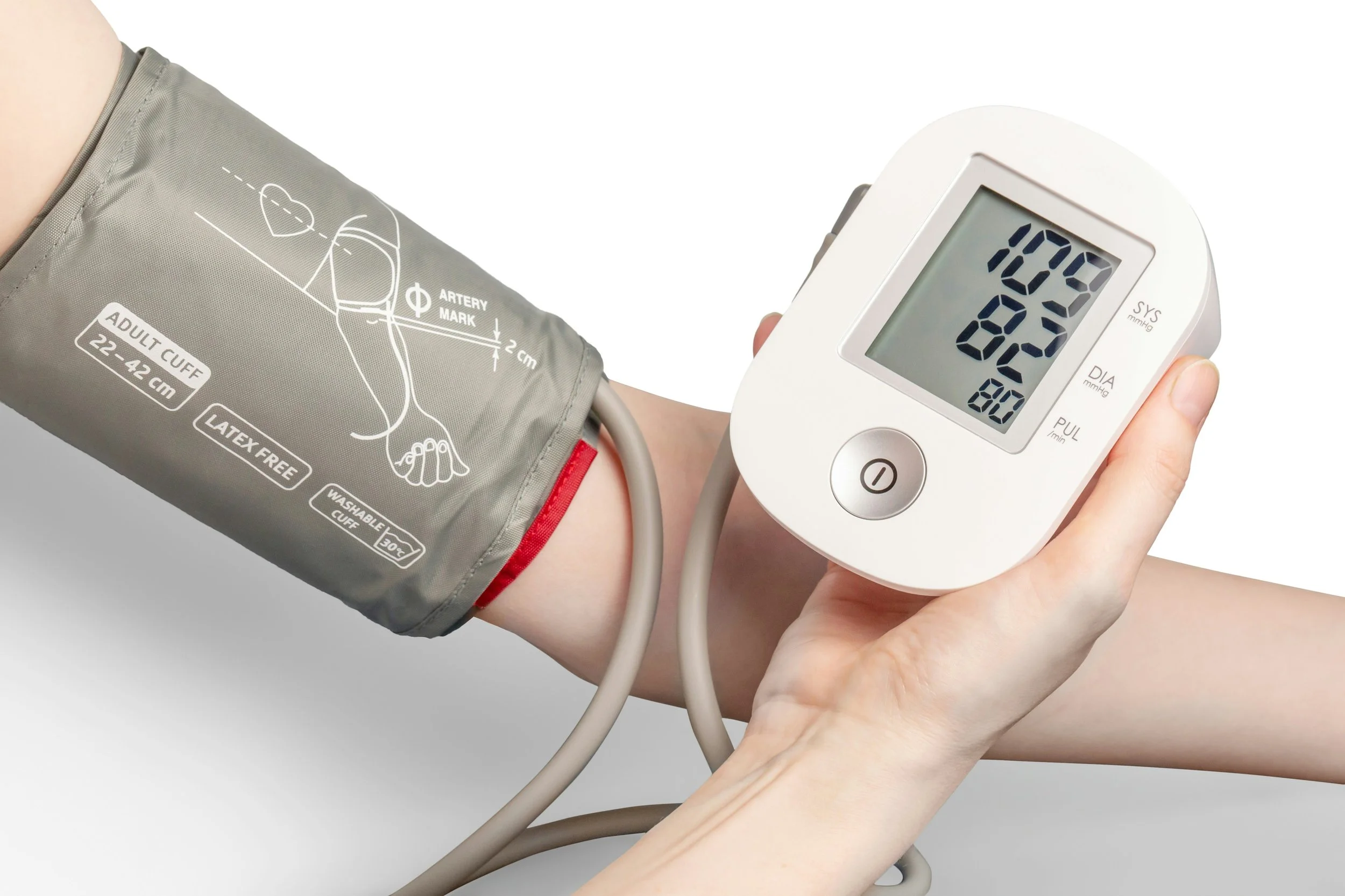
Hypertension Research: Mitoquinol and Cardiovascular Function in Hypertensive Adults
A randomised controlled trial in hypertensive adults found that MitoQ supplementation reduced blood pressure, improved cardiac structure, and lowered oxidative stress and inflammation. Effects were strongest when combined with exercise, supporting mitochondrial oxidative stress as a modifiable driver of cardiovascular dysfunction.

Cardiovascular Physiology Research: Acute Effects of Mitoquinol in Healthy Young Adults
A randomised crossover study in healthy young adults found that acute MitoQ supplementation did not improve blood pressure, arterial stiffness, or oxidative stress markers. These findings suggest that mitochondria‑targeted antioxidants are unlikely to influence vascular function in populations with low baseline oxidative stress.

Exercise Recovery Research: Mitochondria-Targeted Antioxidant Supplementation and Muscle Damage
A placebo-controlled trial found that mitochondria-targeted antioxidant supplementation with MitoQ did not improve muscle recovery or reduce soreness following exercise-induced muscle damage in untrained men.
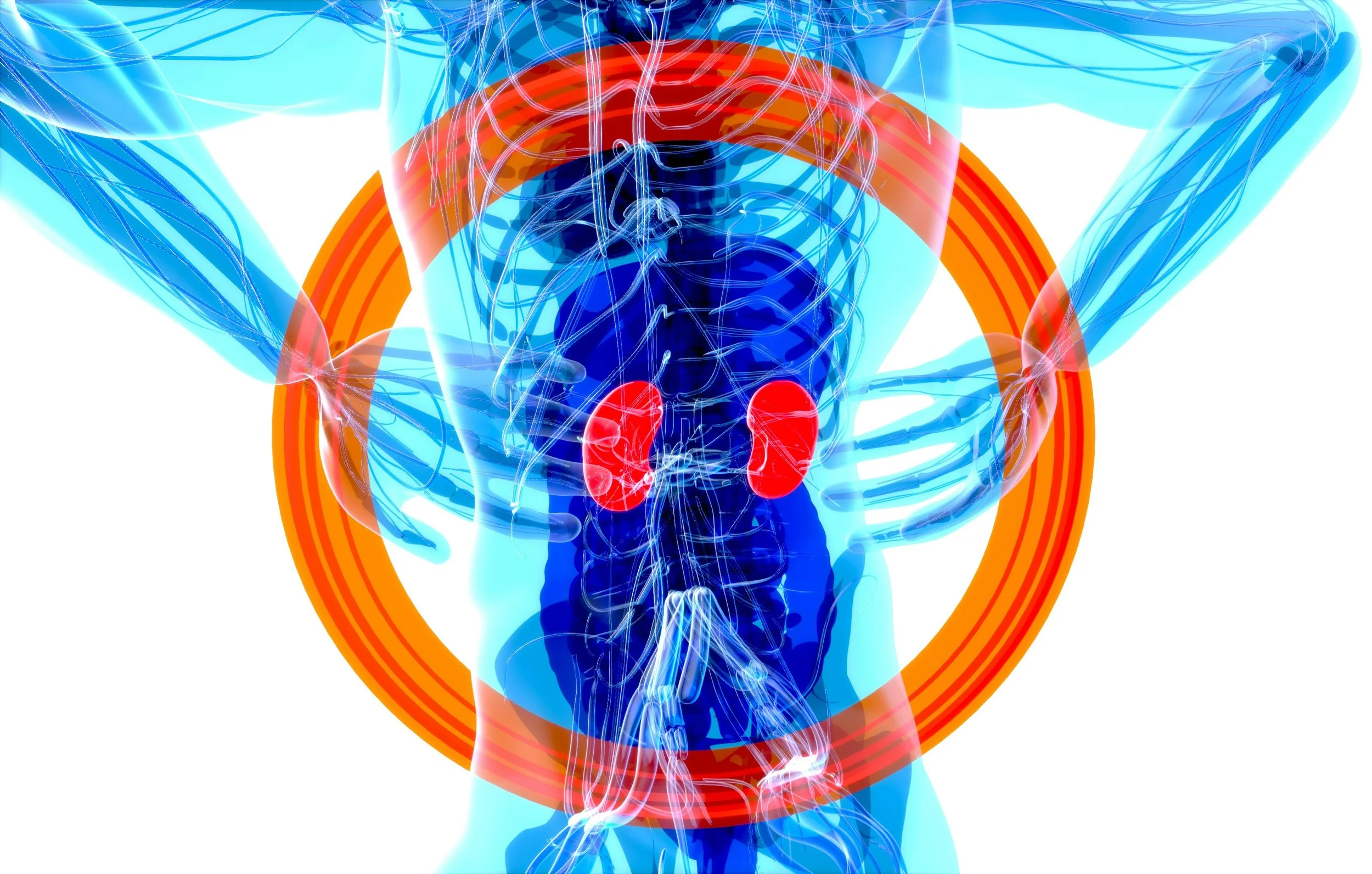
Chronic Kidney Disease Research: Mitoquinol (MitoQ) and Vascular Function in Stage 3–4 CKD
A placebo-controlled pilot trial in stage 3–4 chronic kidney disease found that the mitochondria-targeted antioxidant MitoQ improved endothelial function and stabilised vascular haemodynamics over four weeks.

Parkinson's Disease Research: Mitoquinone (MitoQ) as a Mitochondria-Targeted Antioxidant in Early PD
While mitochondrial oxidative stress remains a key mechanistic target in Parkinson’s disease (PD), the findings of this double-blind clinical trial in early PD highlight the challenges of translating this biology into effective treatment at the point of diagnosis.

Post‑exposure prophylaxis research: mitoquinol and mitochondrial immune signalling in COVID‑19
A pilot clinical trial examining whether Mitoquinol initiated within 72 hours of high‑risk SARS‑CoV‑2 exposure reduces infection rates and symptom duration, including in unvaccinated and immunocompromised individuals.
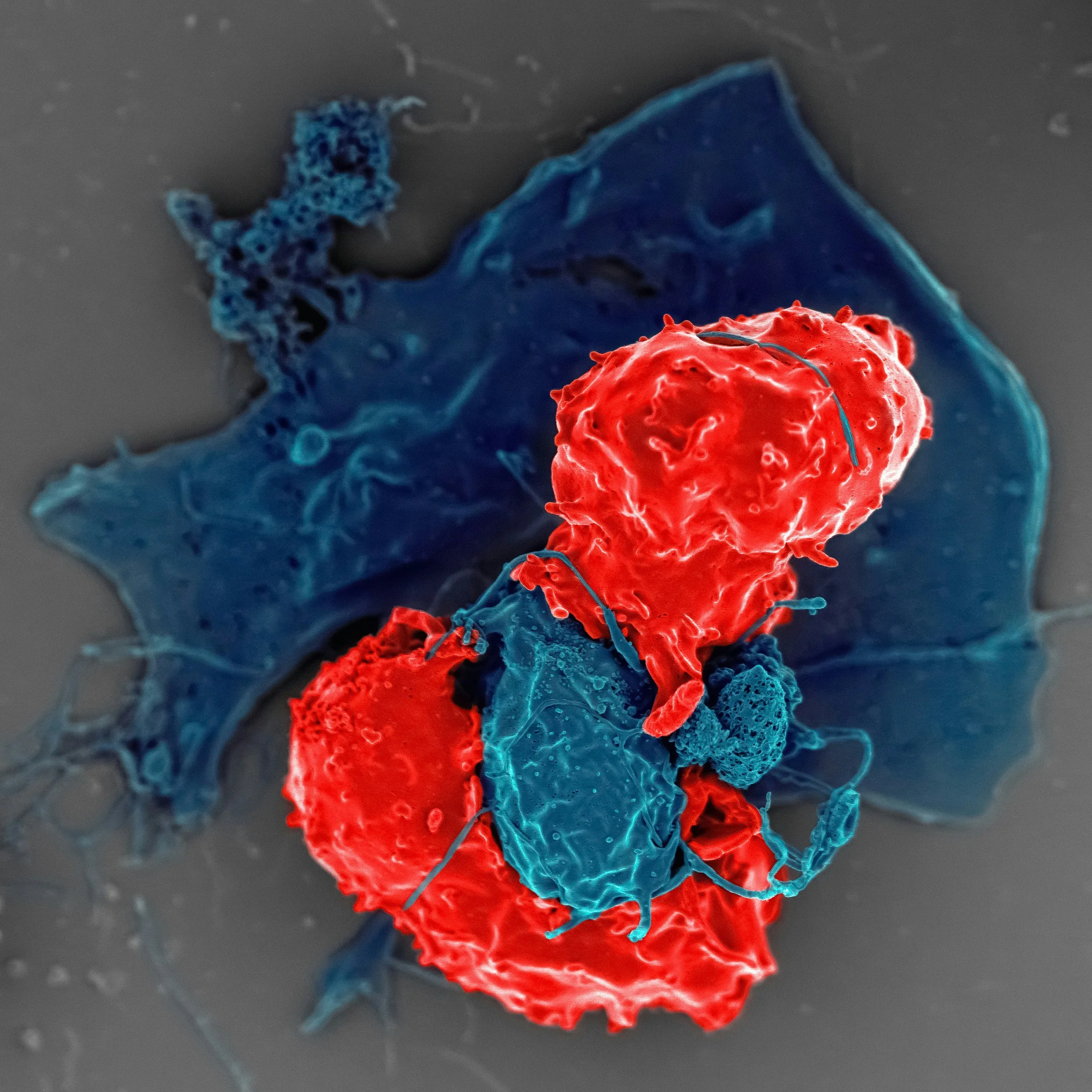
Recharging the “Immune Battery” in Heart Failure
A double‑blind crossover trial examining whether 4 weeks of Mitoquinol supplementation restores immune cell bioenergetics in patients with heart failure with preserved ejection fraction (HFpEF).
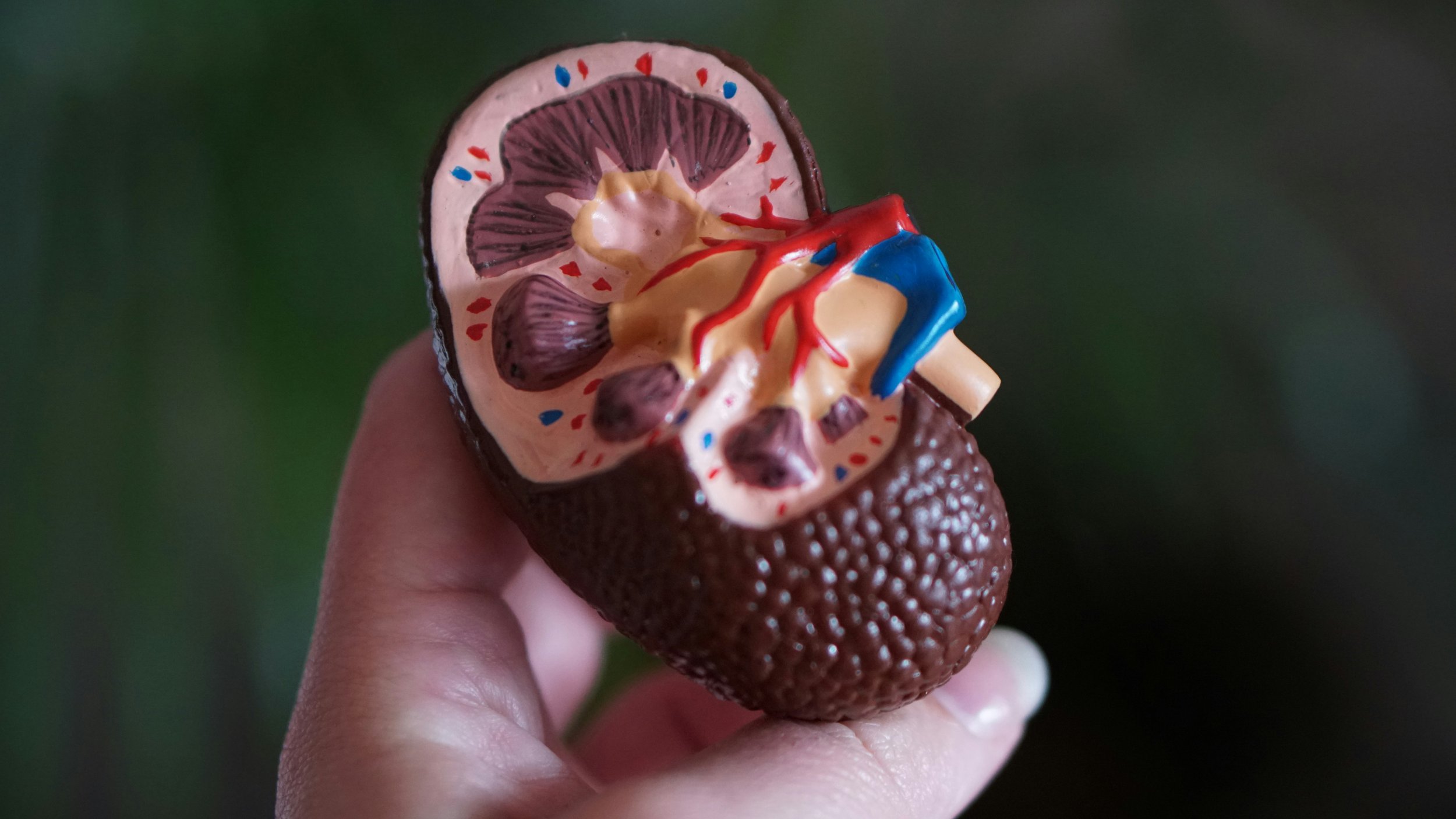
Safety First: Confirming the Absence of Nephrotoxicity at High Doses
A randomised crossover trial assessing whether acute supratherapeutic doses of Mitoquinol produce any evidence of kidney injury in healthy adults, using sensitive renal biomarkers.

Does Mitoquinol Protect DNA from Damage?
A 21‑day supplementation trial examining whether Mitoquinol reduces exercise‑induced nuclear and mitochondrial DNA damage without impairing adaptive training signals.